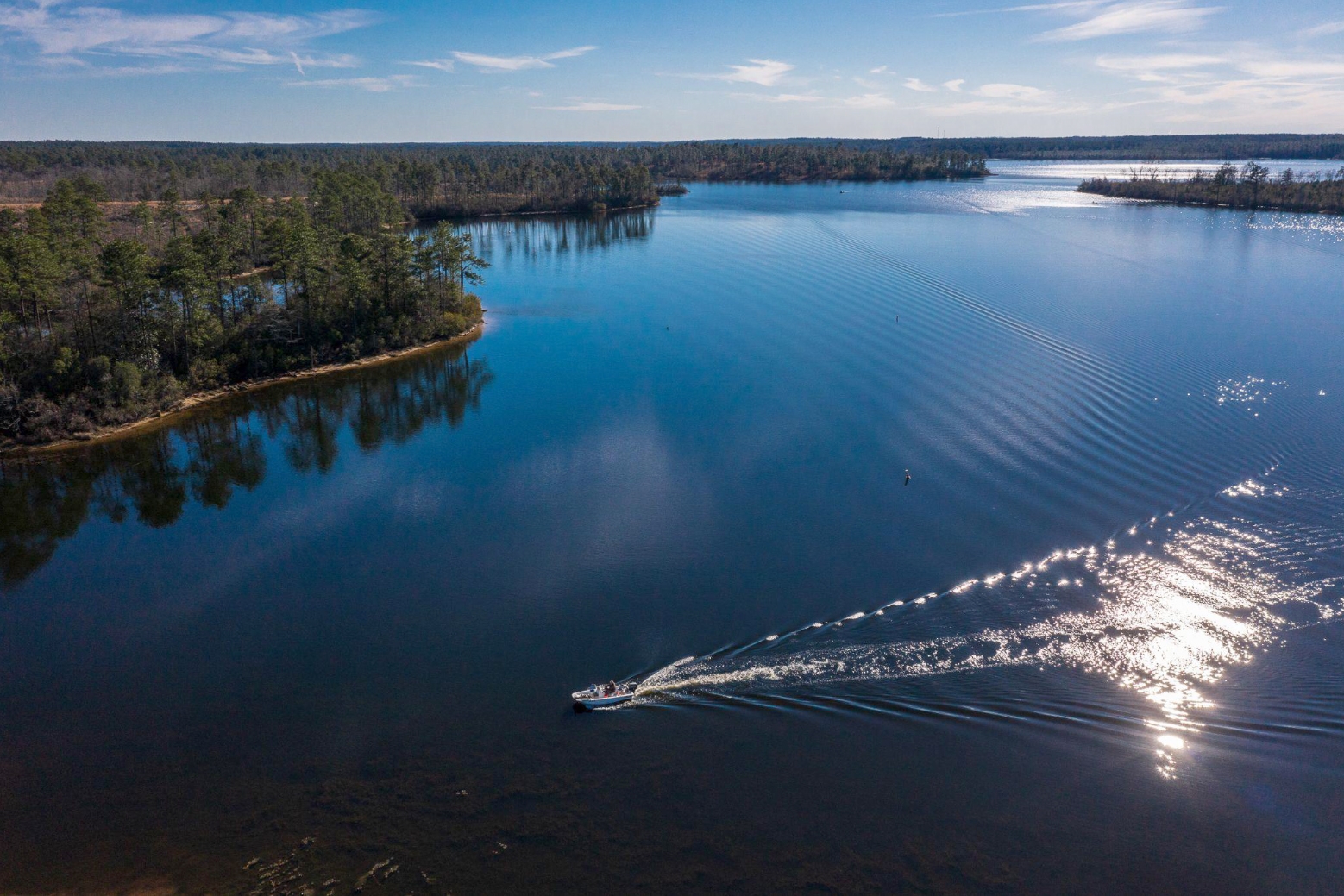
J.B. Converse Reservoir, located in Mobile, Alabama, is more than just a scenic reservoir. It serves as the primary water source for approximately 350,000 residents in Mobile and Baldwin Counties, including the cities of Mobile, Spanish Fort, Chickasaw, Prichard, and Semmes.
The reservoir provides clean, reliable drinking water to homes, schools, businesses, and hospitals, making its protection a top priority for local authorities.
The management team carefully oversees recreational activities on the waterway because it is a vital resource. While many reservoirs allow nearly all types of personal watercraft, J.B. Converse requires stricter controls.
These rules ensure that the reservoir remains safe, healthy, and sustainable for both human use and wildlife. Recreational opportunities exist, but only under regulations designed to protect water quality and minimize ecological risks.
Why Personal Boats Are Restricted
The primary reason for banning personal boats at J.B. Converse is to prevent the introduction of invasive species. Non-native organisms, including zebra mussels and giant salvinia have been detected in the region and can spread rapidly if introduced into the reservoir.
These species threaten not only the ecological balance of the reservoir but also the infrastructure used to deliver safe drinking water.
Personal boats often travel between multiple reservoirs, rivers, or lakes. Even if a boat is washed, disinfected, or dried, microscopic fragments of invasive species can remain attached to the hull, trailer, anchor, or fishing equipment.
Allowing these boats into J.B. Converse would make it nearly impossible for reservoir managers to verify that the watercraft are safe. Because water quality is essential for hundreds of thousands of residents, any unmonitored entry is considered too high a risk.
In addition to ecological concerns, invasive species can create long-term operational problems. Zebra mussels attach to pipes and pumps, clog filtration systems, and increase maintenance costs.
Giant salvinia and other aquatic plants can overtake parts of the reservoir, disrupting water flow, fishing habitats, and recreational areas. By restricting personal boats, reservoir managers minimize these risks and protect both the environment and the community’s water supply.
Why Fishing Boats Are Allowed
Fishing boats are permitted at the reservoir because they operate under strict oversight and remain on the reservoir. These boats are part of reservoir rentals, meaning they do not leave the reservoir and cannot introduce contaminants from other waterways.
This controlled system allows visitors to enjoy recreational fishing safely without compromising water quality.
Staff regularly monitor these boats for compliance with safety, sanitation, and maintenance standards. They are inspected, cleaned, and restricted from leaving the reservoir, reducing the risk of invasive species.
By maintaining this level of control, the reservoir can offer recreational opportunities while safeguarding the water supply.
How Controlled Boating Protects the Reservoir
Only boats that remain on J.B. Converse or are part of approved reservoir programs are allowed or law enforcement boats that are quarantined and properly cleaned. These boats are regularly inspected, cleaned, and monitored to ensure they meet strict safety and sanitation standards.
By controlling which boats access the reservoir, managers can prevent the introduction of invasive species, minimize ecological disruption, and maintain the quality of the drinking water supply.
In contrast, we cannot fully verify personal boats, which makes them high-risk carriers. If outside boats were allowed, invasive species could spread rapidly, causing ecological damage and operational challenges.
The controlled boating system offers a practical solution that balances recreational access with the reservoir’s primary mission of providing safe drinking water.
Balancing Recreation and Protection
J.B. Converse offers recreational opportunities such as fishing and nature observation, but public safety and water quality remain the top priorities.
While some visitors express frustration over restricted personal boat access, the rules exist to prevent potentially devastating ecological and financial consequences.
The strategy emphasizes recreation “from within” the reservoir. Approved boats and our rental program allow residents to enjoy the reservoir responsibly while minimizing risks.
Practical Tips for Visitors
If you plan to visit J.B. Converse, here are some tips to make the most of your experience:
- Use only approved kayaks or rentals provided by reservoir programs.
- Follow all posted safety and sanitation guidelines while on the water.
- Dispose of fishing bait and trash properly to protect water quality and wildlife.
- Stay informed about seasonal fishing regulations and any temporary closures for maintenance or ecological reasons.
- Respect the reservoir’s role as a drinking water reservoir by avoiding unapproved watercraft, swimming in restricted areas, or introducing foreign plants or animals.
By following these tips, visitors can enjoy the natural beauty of J.B. Converse while contributing to its protection.
Key Takeaways
J.B. Converse prioritizes both water safety and ecological health through strict boating policies:
- Personal/outside boats are not allowed because they could introduce invasive species and cannot be fully verified as decontaminated.
- Authorities allow controlled boats and personalized kayaks to operate on the reservoir and monitor them for safety and regulatory compliance.
- Recreational programs provide public access while safeguarding the water supply, enabling safe fishing and outdoor activities.
These rules ensure that J.B. Converse remains a safe and sustainable source of drinking water while still providing residents and visitors with enjoyable recreational opportunities.